



วิธีการประเมินผู้จำหน่ายเครื่องจักรผลิตบล็อกคอนกรีต: คุณภาพ ราคา และบริการหลังการขาย
คำตอบด่วน
การประเมิน เครื่องจักรบล็อก การเลือกซัพพลายเออร์ที่น่าเชื่อถือต้องใช้แนวทางที่เป็นระบบ ซึ่งนอกเหนือไปจากการเปรียบเทียบราคาเพียงอย่างเดียว ซัพพลายเออร์ที่น่าเชื่อถือควรแสดงให้เห็นถึงการรับรองมาตรฐาน ISO 9001 เป็นตัวบ่งชี้พื้นฐานของการจัดการคุณภาพ โดยเครื่องหมาย CE มีความสำคัญอย่างยิ่งสำหรับการส่งออกไปยังตลาดที่มีการควบคุม เช่น ยุโรปหรืออเมริกาเหนือ นอกเหนือจากการรับรองแล้ว ผู้ซื้อควรประเมินโครงสร้างพื้นฐานการผลิต โรงงานที่มีพื้นที่เกิน 3,000 ตารางเมตรโดยทั่วไปบ่งชี้ถึงกำลังการผลิตแบบเป็นชุดและพื้นที่ทดสอบเฉพาะ อัตราการส่งมอบตรงเวลามากกว่า 97% เวลาตอบสนองต่ำกว่า 3 ชั่วโมง และอัตราการสั่งซื้อซ้ำมากกว่า 25% เป็นตัวบ่งชี้ที่แข็งแกร่งของความน่าเชื่อถือในการดำเนินงานและความพึงพอใจของลูกค้า การสนับสนุนหลังการขาย รวมถึงเงื่อนไขการรับประกัน (อย่างน้อย 12 เดือน) ความพร้อมของอะไหล่ และการแก้ไขปัญหาจากระยะไกล จะทำให้ซัพพลายเออร์ที่มุ่งมั่นแตกต่างจากซัพพลายเออร์ที่เน้นการทำธุรกรรมเพียงอย่างเดียว การประเมินอย่างเป็นระบบในสามมิตินี้จะช่วยให้ผู้ซื้อหลีกเลี่ยงข้อผิดพลาดในการจัดซื้อจัดจ้างที่เสียค่าใช้จ่ายสูงและสร้างมูลค่าในระยะยาว
1. การวิเคราะห์เจตนาการค้นหาของผู้ใช้
ใครกำลังค้นหา และทำไม?
| ผู้ชม | เจตนาหลัก | ประเด็นสำคัญ |
| ผู้จัดการฝ่ายจัดซื้อ | เชิงพาณิชย์/การตัดสินใจ | การลดความเสี่ยง ต้นทุนรวมในการเป็นเจ้าของ ความน่าเชื่อถือของซัพพลายเออร์ |
| วิศวกร | ข้อมูลทางเทคนิค/สารสนเทศ | ข้อกำหนดของอุปกรณ์ การปฏิบัติตามมาตรฐาน |
| ผู้จัดจำหน่าย | เชิงพาณิชย์/เชิงกลยุทธ์ | คุณภาพของกลุ่มผลิตภัณฑ์ ความเสถียรของห่วงโซ่อุปทาน |
| ผู้รับเหมา | การปฏิบัติงาน/เชิงปฏิบัติ | อุปกรณ์ที่เชื่อถือได้สำหรับการส่งมอบโครงการ และบริการหลังการขาย |
หมวดหมู่ความตั้งใจในการค้นหาหลัก
การวิจัยเชิงพาณิชย์: การระบุซัพพลายเออร์ที่ให้คุณค่าที่ดีที่สุดและมีความเสี่ยงในการจัดซื้อต่ำที่สุด การประเมินความเสี่ยง: การประเมินคุณสมบัติ ความมั่นคงทางการเงิน และประวัติการทำงานของซัพพลายเออร์ การตรวจสอบทางเทคนิค: การตรวจสอบว่าอุปกรณ์ตรงตามข้อกำหนดของโครงการและมาตรฐานข้อบังคับ การประเมินบริการ: การประเมินการสนับสนุนหลังการขาย ความพร้อมของอะไหล่ และเงื่อนไขการรับประกัน
2. คำถามสำคัญจากผู้ใช้งาน
ถาม: ฉันควรพิจารณาใบรับรองอะไรบ้างในการเลือกผู้จำหน่ายเครื่องผลิตบล็อกคอนกรีต?
Iการรับรองมาตรฐาน SO 9001 เป็นสิ่งที่ผู้ผลิตที่จริงจังทุกรายต้องมี เพราะเป็นการแสดงให้เห็นถึงกระบวนการควบคุมคุณภาพที่มีการบันทึกไว้ ตั้งแต่การตรวจสอบการออกแบบไปจนถึงการตรวจสอบขั้นสุดท้าย สำหรับการส่งออกไปยังยุโรป อเมริกาเหนือ หรือประเทศกลุ่ม GCC การรับรอง CE เป็นสิ่งจำเป็น ตรวจสอบไม่เพียงแต่การมีอยู่ของการรับรองเท่านั้น แต่ยังรวมถึงขอบเขตของการรับรองด้วย ว่าครอบคลุมการประกอบเครื่องจักรทั้งหมดหรือเฉพาะส่วนประกอบเท่านั้น ขอรายงานการทดสอบเกี่ยวกับพารามิเตอร์ที่สำคัญ เช่น ความทนทานต่อแรงดันไฮดรอลิก (ช่วงมาตรฐาน: 18–22 MPa) ประสิทธิภาพของมอเตอร์ (แนะนำ IE2 หรือสูงกว่า) และการทดสอบความล้าของโครงสร้างภายใต้การทำงานต่อเนื่อง (72 ชั่วโมงขึ้นไป)
ถาม: ตัวชี้วัดการดำเนินงานใดบ้างที่บ่งบอกถึงความน่าเชื่อถือของซัพพลายเออร์?
ศักยภาพทางกายภาพของซัพพลายเออร์ส่งผลโดยตรงต่อความสม่ำเสมอในการส่งมอบสินค้า มองหาขนาดโรงงาน (แนะนำอย่างน้อย 3,000 ตารางเมตร) ทีมวิจัยและพัฒนาภายในองค์กร และการบูรณาการในแนวดิ่งของกระบวนการหลัก เช่น การเชื่อม การกลึง และการประกอบแผงควบคุม ตัวชี้วัดธุรกรรมดิจิทัลให้ข้อมูลเชิงลึกแบบเรียลไทม์เกี่ยวกับความน่าเชื่อถือ เวลาตอบสนองต่ำกว่า 3 ชั่วโมงบ่งชี้ถึงโครงสร้างพื้นฐานด้านบริการลูกค้าที่แข็งแกร่ง ในขณะที่อัตราการสั่งซื้อซ้ำสูงกว่า 25% สะท้อนถึงความพึงพอใจของลูกค้าในระยะยาว อัตราการส่งมอบตรงเวลาสูงกว่า 97% บ่งชี้ถึงการวางแผนการผลิตที่มีระเบียบวินัย
ถาม: ฉันควรคาดหวังการบริการหลังการขายแบบใดจากผู้จำหน่ายที่มีคุณภาพ?
ความแตกต่างที่แท้จริงอยู่ที่การปรับแต่งและการบริการ ผู้ผลิตสามารถปรับเปลี่ยนการออกแบบแม่พิมพ์สำหรับบล็อกแบบเชื่อมต่อกัน บล็อกรูปตัว U หรือบล็อกฉนวนได้หรือไม่? พวกเขามีบริการเชื่อมต่อกับสายพานลำเลียง ระบบป้อนไซโล หรือรถเข็นเคลื่อนที่หรือไม่? ที่สำคัญกว่านั้น พวกเขาให้การฝึกอบรมผู้ปฏิบัติงาน การจัดเก็บอะไหล่ และการแก้ไขปัญหาจากระยะไกลหรือไม่? ผู้ผลิตชั้นนำจะมีแดชบอร์ดตรวจสอบบนคลาวด์สำหรับการติดตามประสิทธิภาพแบบเรียลไทม์และการวินิจฉัยจากระยะไกลผ่านการสนทนาทางวิดีโอ ชี้แจงเงื่อนไขการรับประกัน—อย่างน้อย 12 เดือนเป็นมาตรฐาน—และการรับประกันความพร้อมของอะไหล่ (โดยอุดมคติคือ 10 ปี)
ถาม: ข้อผิดพลาดที่พบบ่อยที่สุดในกระบวนการจัดซื้อจัดจ้างมีอะไรบ้าง?
"กับดักราคาต่ำ" เป็นความเสี่ยงที่สำคัญ: โรงงานขนาดเล็กบางแห่งแข่งขันกันที่ราคา แต่มีอัตราความเสียหายสูงและบริการหลังการขายที่ล่าช้า ข้อผิดพลาดอื่นๆ ได้แก่ การซื้อโดยพิจารณาจากกำลังการผลิตตามทฤษฎีเพียงอย่างเดียวโดยไม่ตรวจสอบผลผลิตที่เสถียรจริง และการไม่คำนึงถึงต้นทุนรวมในการเป็นเจ้าของ ซึ่งรวมถึงราคาอุปกรณ์ ค่าติดตั้ง การใช้พลังงาน การบำรุงรักษา การเสื่อมราคาของอะไหล่ และการสูญเสียที่อาจเกิดขึ้นจากการหยุดทำงาน ควรไปเยี่ยมชมโรงงานของลูกค้าที่มีอยู่เพื่อสังเกตความเสถียรของอุปกรณ์และอัตราผลผลิตภายใต้สภาวะจริงก่อนตัดสินใจ
3. กรอบการประเมิน: สามมิติ
มิติที่ 1: คุณภาพและความสามารถทางเทคนิค
ใบรับรองเป็นหลักฐานยืนยัน
การรับรองมาตรฐาน ISO 9001 เป็นสิ่งที่ขาดไม่ได้ เพราะเป็นการแสดงให้เห็นถึงกระบวนการควบคุมคุณภาพที่เป็นระบบ ตั้งแต่การตรวจสอบการออกแบบไปจนถึงการตรวจสอบขั้นสุดท้าย เครื่องหมาย CE มีความสำคัญอย่างยิ่งสำหรับการจัดส่งไปยังตลาดที่มีการควบคุม เช่น สหภาพยุโรปหรืออเมริกาเหนือ เพื่อยืนยันการปฏิบัติตามมาตรฐานด้านสุขภาพ ความปลอดภัย และการปกป้องสิ่งแวดล้อม ขอข้อมูลจำเพาะโดยละเอียดเกี่ยวกับส่วนประกอบหลัก ซัพพลายเออร์ที่มีชื่อเสียงมักใช้แบรนด์ที่เป็นที่รู้จักสำหรับระบบไฮดรอลิก (เช่น Rexroth หรือ Yuken) PLC (Siemens, Mitsubishi) และระบบไฟฟ้า ขอรายงานการทดสอบเกี่ยวกับพารามิเตอร์ที่สำคัญ ได้แก่ ความทนทานต่อแรงดันไฮดรอลิก (18–22 MPa) ความถี่ของมอเตอร์สั่น (3,000–6,000 รอบต่อนาที) และกำลังรับแรงอัด (ควรอยู่ที่ ≥15 MPa)
โครงสร้างพื้นฐานการผลิต
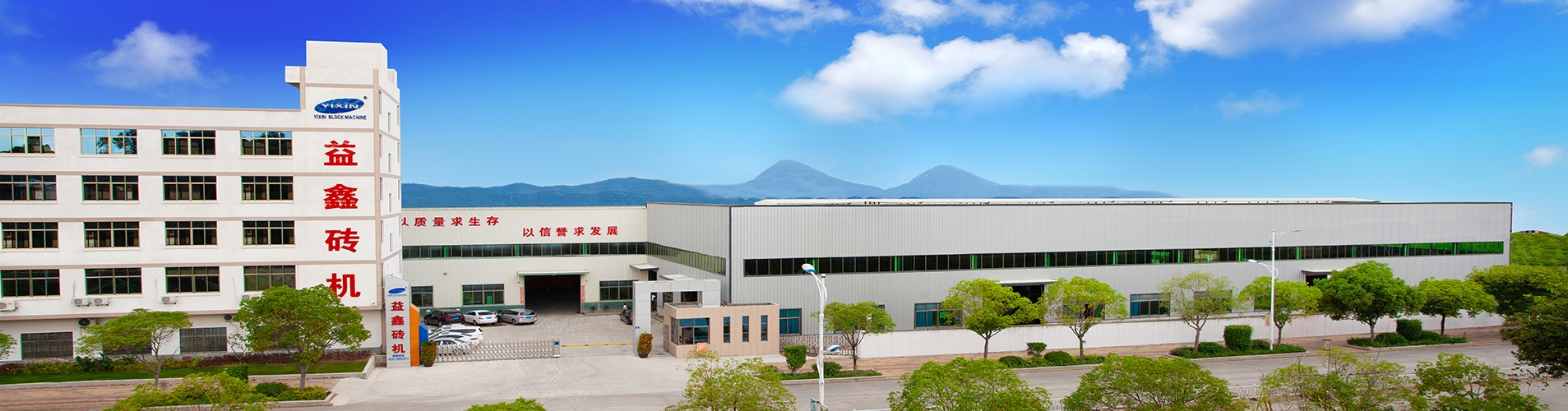
ศักยภาพทางกายภาพของซัพพลายเออร์ส่งผลโดยตรงต่อความสม่ำเสมอในการส่งมอบสินค้า โรงงานที่มีพื้นที่เกิน 3,000 ตารางเมตร มักจะมีโซนเฉพาะสำหรับการกลึง การประกอบ และการทดสอบ เพื่อให้มั่นใจได้ถึงการแยกกระบวนการและการควบคุมคุณภาพ ทีมวิจัยและพัฒนาภายในองค์กรมีความสำคัญอย่างยิ่งสำหรับการพัฒนาแม่พิมพ์แบบกำหนดเอง การบูรณาการสายพานลำเลียง หรือการอัพเกรดระบบอัตโนมัติ การบูรณาการในแนวดิ่งของกระบวนการหลัก เช่น การเชื่อม การกลึง การประกอบแผงควบคุม ช่วยลดระยะเวลารอคอยชิ้นส่วนและทำให้วงจรการปรับแต่งรวดเร็วยิ่งขึ้น
มิติที่ 2: ความน่าเชื่อถือในการปฏิบัติงาน
ตัวชี้วัดประสิทธิภาพ
ตัวชี้วัดธุรกรรมดิจิทัลให้ข้อมูลเชิงลึกแบบเรียลไทม์เกี่ยวกับความน่าเชื่อถือ ประสิทธิภาพการส่งมอบตรงเวลาที่สูงกว่า 97% บ่งชี้ถึงการวางแผนการผลิตและการส่งมอบที่มีประสิทธิภาพ เวลาตอบสนองที่ต่ำกว่า 3 ชั่วโมงสะท้อนถึงการบริการลูกค้าเชิงรุก ซึ่งมีความสำคัญอย่างยิ่งในช่วงการเจรจาก่อนการขายและการสนับสนุนหลังการติดตั้ง อัตราการสั่งซื้อซ้ำมีความสำคัญอย่างยิ่ง อัตราการซื้อซ้ำที่สูง เช่น 50% บ่งชี้ถึงความพึงพอใจในระยะยาวต่อคุณภาพของผลิตภัณฑ์และบริการหลังการขาย อัตราการสั่งซื้อซ้ำที่ต่ำกว่า 15% อาจบ่งชี้ถึงช่องว่างในด้านความน่าเชื่อถือหรือการสนับสนุนทางเทคนิค
การลดความเสี่ยง
เพื่อป้องกันปัญหาการไม่ได้รับสินค้าหรือสินค้ามีคุณภาพไม่ตรงตามที่ตกลงกันไว้ ควรใช้วิธีการชำระเงินที่ปลอดภัย เช่น Alibaba Trade Assurance หรือบริการเอสโครว์จากบุคคลที่สาม และควรยืนยันให้มีการตรวจสอบสินค้าก่อนจัดส่งโดยหน่วยงานอิสระ หรือตรวจสอบผ่านวิดีโอสดหากไม่สามารถไปตรวจสอบที่สถานที่จริงได้
มิติที่ 3: การสนับสนุนและบริการหลังการขาย
การรับประกันและอะไหล่
สอบถามรายละเอียดเงื่อนไขการรับประกัน—โดยทั่วไปอย่างน้อย 12 เดือน ตรวจสอบความพร้อมของอะไหล่ บางผู้จำหน่ายรับประกันการจัดหาอะไหล่ได้นานถึง 10 ปี ขอรายการอะไหล่โดยละเอียด ซึ่งรวมถึงซีล แม่พิมพ์ และชิ้นส่วนไฮดรอลิกที่สึกหรอได้ง่าย
ฝ่ายสนับสนุนด้านเทคนิค
ความมุ่งมั่นในการให้บริการของผู้จำหน่ายสะท้อนให้เห็นได้จากโครงสร้างการสนับสนุนของพวกเขา ผู้จำหน่ายชั้นนำจะให้บริการแก้ไขปัญหาจากระยะไกลผ่านการสนทนาทางวิดีโอ ทำให้พนักงานที่หน้างานสามารถแก้ไขปัญหาได้ภายในไม่กี่นาที การกำกับดูแลการติดตั้งที่หน้างานและการฝึกอบรมผู้ปฏิบัติงานควรมีให้หรือมีให้บริการในราคาที่เหมาะสม ตรวจสอบให้แน่ใจว่ามีคู่มือที่ครบถ้วน ตารางการบำรุงรักษา และแผนผังการเดินสายไฟให้ครบถ้วน ซึ่งมีความสำคัญอย่างยิ่งสำหรับระบบที่ควบคุมด้วย PLC
4. คำถามที่พบบ่อย
1. ฉันจะตรวจสอบใบรับรองของซัพพลายเออร์ได้อย่างไร?
ขอสำเนาใบรับรอง ISO 9001 และ CE ตรวจสอบให้แน่ใจว่าไม่เพียงแค่มีใบรับรอง แต่ต้องตรวจสอบขอบเขตด้วย: ISO 9001 ครอบคลุมการประกอบเครื่องจักรทั้งหมดหรือเฉพาะชิ้นส่วน? สำหรับ CE ตรวจสอบว่าครอบคลุมแผงควบคุมไฟฟ้าและระบบความปลอดภัยไฮดรอลิกหรือไม่
2. ฉันควรคาดหวังเวลาตอบกลับนานเท่าใดจากผู้จำหน่ายที่น่าเชื่อถือ?
เวลาตอบกลับต่ำกว่า 3 ชั่วโมง แสดงให้เห็นถึงโครงสร้างพื้นฐานด้านบริการลูกค้าที่แข็งแกร่ง ผู้จำหน่ายชั้นนำจะตอบกลับภายใน 1-2 ชั่วโมง
3. อัตราการสั่งซื้อซ้ำแบบใดที่บ่งชี้ว่าซัพพลายเออร์นั้นเป็นซัพพลายเออร์ที่ดี?
อัตราการสั่งซื้อซ้ำที่สูงกว่า 25% สะท้อนให้เห็นถึงความพึงพอใจของลูกค้าในระยะยาว ซัพพลายเออร์อย่าง Shandong Hongfa ที่มีอัตราการสั่งซื้อซ้ำสูงถึง 57% แสดงให้เห็นถึงความสามารถในการรักษาฐานลูกค้าได้อย่างยอดเยี่ยม
4. ฉันจะตรวจสอบความสามารถของโรงงานผู้ผลิตโดยไม่ต้องไปเยี่ยมชมได้อย่างไร?
ขอชมโรงงานผ่านวิดีโอสด คุณจะได้เห็นการจัดระเบียบในโรงงาน กระบวนการผลิต และสถานีควบคุมคุณภาพด้วยตนเอง นอกจากนี้ยังสามารถขอชมวิดีโอสาธิตกระบวนการผลิตทั้งหมดได้อีกด้วย
5. ฉันควรเลือกโรงงานที่มีขนาดขั้นต่ำเท่าไหร่?
โดยทั่วไปแล้ว โรงงานที่มีพื้นที่เกิน 3,000 ตารางเมตร จะมีกำลังการผลิตแบบเป็นชุด และมีพื้นที่ทดสอบโดยเฉพาะ
6. เงื่อนไขการรับประกันมาตรฐานมีอะไรบ้าง?
โดยทั่วไปแล้ว การรับประกันขั้นต่ำสำหรับชิ้นส่วนหลักคือ 12 เดือน ผู้จำหน่ายบางรายอาจให้การรับประกันนานถึง 18 เดือน โปรดตรวจสอบว่าอะไรบ้างที่ได้รับความคุ้มครอง ไม่ว่าจะเป็นชิ้นส่วน ค่าแรง หรือทั้งสองอย่าง
7. ฉันจะหลีกเลี่ยง "กับดักราคาต่ำ" ได้อย่างไร?
ขอให้จัดทำ "การวิเคราะห์ต้นทุนตลอดอายุการใช้งาน" อย่างละเอียด ซึ่งรวมถึงราคาซื้อ ค่าติดตั้ง การใช้พลังงาน การบำรุงรักษา การเสื่อมราคาของอะไหล่ และการสูญเสียที่อาจเกิดขึ้นจากการหยุดทำงาน เครื่องจักรราคาถูกแต่ใช้พลังงานสูง อาจมีต้นทุนสูงกว่ามากภายใน 3 ปี
8. ฉันควรตรวจสอบส่วนประกอบสำคัญอะไรบ้างในข้อกำหนดเฉพาะ?
ตัวควบคุม PLC (แนะนำ Siemens, Mitsubishi หรือ Delta), ความถี่และความทนทานของมอเตอร์สั่น (แนะนำให้มี MTBF ≥6,000 ชั่วโมง), แรงดันระบบไฮดรอลิก (18–22 MPa) และระดับเสียง (ต่ำกว่า 75 dB)